How to Replace Garage Door Opener in McKinney
How to replace garage door opener units in McKinney comes down to three things: make sure the door itself is balanced, choose an opener that fits your door and ceiling, then swap the motor, rail and safety sensors with the power off. Never touch the springs or cables. If anything feels off, call for help.
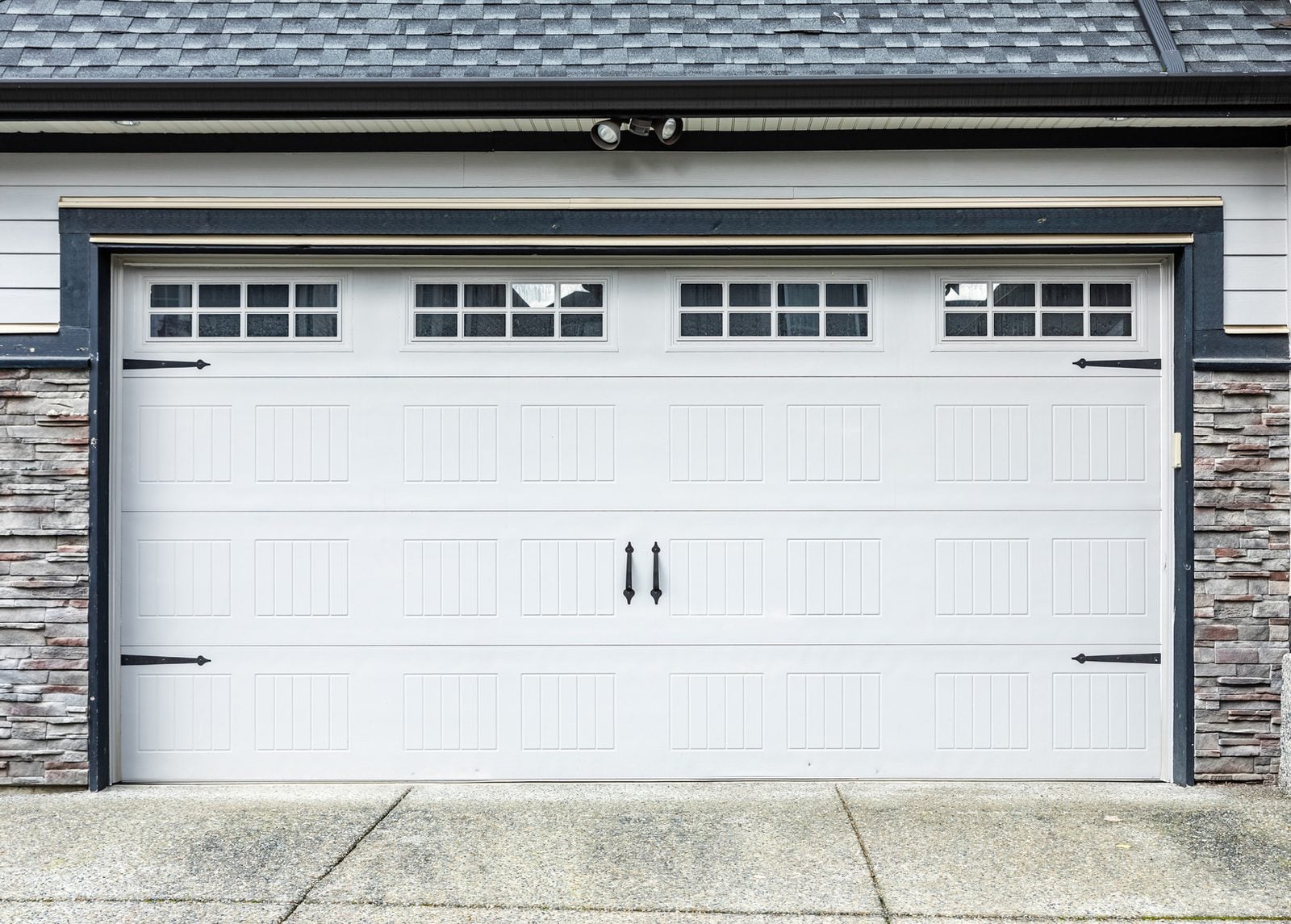
- An opener only guides the door. The springs do the heavy lifting, so a broken or weak spring must be fixed before any new opener goes in.
- Unplug the old opener and pull the red emergency release before you remove anything, and keep clear of the springs, cables and bottom brackets.
- DFW's average first 100°F day is July 1 and its average last is August 27, so motors in McKinney garages spend long stretches working in heat.
- Every new opener needs working photo-eye sensors and a tested auto-reverse before the job is done.
- Call (972) 736-5071 to be connected with a local garage door provider who serves McKinney and nearby cities.
What to do first
- Close the garage door fully and keep people, pets and cars clear of the opening.
- Unplug the opener from the ceiling outlet, or switch off its circuit at the breaker panel.
- Pull the red emergency release cord so the door is disconnected from the opener.
- Lift the door by hand to waist height and let go. If it drops or shoots up, stop and call a professional, because the springs need attention first.
- Stay away from the springs above the door, the cables on each side and the bottom brackets.
How to replace garage door opener units: what are the steps?
To replace a garage door opener in McKinney, unplug the old unit, disconnect it from the door, take down the motor, rail and sensors, then hang the new opener from the ceiling, attach its arm to the door, mount new photo-eye sensors and set the travel and force limits. Test auto-reverse last.
- Check the door. Release the door from the old opener and test its balance by hand. A balanced door stays put about halfway up.
- Remove the old unit. With power off, unbolt the door arm, the header bracket above the door and the ceiling hangers. Lower the motor and rail together with a helper and a sturdy ladder.
- Take down old wiring and sensors. Remove the wall button and the photo-eyes near the floor, and label any wires you plan to reuse.
- Assemble the new rail and motor on the floor, following the instructions that came with the opener.
- Mount the header bracket to solid framing above the door, then lift the motor and hang it from the ceiling joists.
- Connect the door arm to the bracket on the top section of the door.
- Install the sensors on each side of the door, a few inches above the floor, and line them up until both lights are steady.
- Set limits and force, then program remotes and the keypad.
- Test auto-reverse with an object in the door's path. The door must stop and go back up.
Each brand has its own details, so the manual for your model is the final word on hardware and settings.
Should I replace my garage door opener myself or hire a pro?
Replacing a garage door opener yourself is possible if the door is balanced, you are comfortable on a ladder and you follow the manual closely. Hire a pro if the springs are weak, the door is heavy or wood, the ceiling framing is unclear or you need new wiring.
The motor and rail are awkward to hold overhead, and the header bracket has to go into solid wood, not just drywall. Many McKinney homes have tall ceilings, two-car doors and finished garages, which can make mounting harder than the box suggests. A provider can also spot worn rollers, bent tracks or tired springs that would shorten the life of a new opener. If you are not sure, start with a quick check on the garage door opener repair page to see if a repair makes more sense than a full swap.
Why do the springs matter when you replace an opener?
The springs matter because they carry almost all of the door's weight. An opener is built to guide a balanced door, not to lift a heavy one. If the springs are weak or broken, a new opener will strain, wear out early and may not be able to move the door at all.
Springs and cables hold dangerous tension. Adjusting or replacing them takes special tools and training, and mistakes can cause serious injury. That is why the first step of any opener job is a balance test, and why spring work should always go to a trained garage door professional. If your door drops fast or feels very heavy when you lift it by hand, read about garage door spring repair before you buy a new opener.
Need help now? Call to be connected with a local provider in McKinney who can check availability for your address.
What type of garage door opener should I get for my McKinney home?
The right opener for a McKinney home depends on how quiet you want it, how heavy your door is and where the garage sits. Belt drives are quiet and work well under bedrooms. Chain drives are sturdy and common. Wall-mount (jackshaft) units free up ceiling space but need the right door setup.
- Belt drive: A rubber-reinforced belt moves the trolley. It runs smoothly and quietly.
- Chain drive: A metal chain moves the trolley. It is louder but handles heavy doors well.
- Screw drive: A threaded rod moves the trolley. It has fewer parts but can be noisier.
- Wall-mount or jackshaft: The motor sits beside the door and turns the torsion bar directly. It works with certain torsion spring setups and higher ceilings.
Also think about motor strength for a double or insulated door, a battery backup for power outages, smartphone control and a keypad. Ask a provider to match the opener to your actual door before you buy.
How do I know it is time to replace my garage door opener?
It is time to replace a garage door opener when it is noisy and slow even after maintenance, reverses often for no clear reason, has stripped gears, or lacks photo-eye sensors and auto-reverse. Very old units, and ones whose parts are hard to find, are also good candidates for replacement.
Other signs include a motor that hums but does not move the door, a remote range that keeps shrinking, and a door that stops partway up. Some of these problems come from the door rather than the opener, such as dry rollers, a bent track or a weak spring. For a side-by-side look at both options, see garage door repair vs replacement.
How do I set up the safety sensors and auto-reverse on a new opener?
To set up the safety sensors on a new garage door opener, mount one photo-eye on each side of the door a few inches above the floor, aim them at each other until both indicator lights stay steady, then test that the door reverses when something blocks the beam or touches the door.
Test with a roll of paper towels or a small board lying flat in the door's path. The door should stop and go back up when it touches the object. If it does not, adjust the force setting as the manual describes and test again. Never disable or bypass the sensors. Trouble lining them up is common, and the sensor and keypad repair page covers the usual causes.
How long does a garage door opener last in North Texas heat?
A garage door opener in North Texas usually lasts many years, but heat shortens that life. Attached garages in McKinney can get very hot in summer, and long hot spells dry out lubricant, stress the motor and wear plastic gears faster.
A balanced, smooth-moving door asks less of the motor. Keep rollers and hinges lubricated and the tracks clean to stretch the life of a new opener.
What happens during a garage door opener replacement visit?
During an opener replacement visit, the provider inspects the door, springs, cables and tracks, explains your options and gives you a written quote before any work starts. Once you approve, they remove the old unit, install and adjust the new one and test the safety features with you.
Expect them to check the door balance, look at the ceiling framing and outlet, and ask how you use the garage. You can ask about drive types, smart features and whether any parts of the door need attention first. Timing depends on the provider's schedule and your door, so ask when you call.
What should McKinney homeowners know before replacing an opener?
McKinney sits in the Dallas-Fort Worth area, where summer heat and winter cold both test garage door openers. DFW's average first 100°F day is July 1 and its average last is August 27, and DFW's most 100°F days in a calendar year was 71, in 2011. Months like that keep an opener motor working in a hot garage.
Winter matters too. At DFW Airport, the average first freeze is November 22 and the average last freeze is March 12. During the February 2021 freeze, DFW Airport fell to -2°F and stayed below freezing for 139 consecutive hours, and insurers reported 21,715 claims in Collin County from that storm across all insurance lines. A stiff, cold door is hard on a weak opener, so fall is a good time to replace one.
The ground can play a part as well. The Blackland Prairie, home of the highly expansive Houston Black clay, extends from north of Dallas south to San Antonio, and that clay shrinks and swells with moisture. If your door has started to rub or bind, have the door and tracks checked before a new opener goes in. Texas also has a rule worth knowing: according to the Texas Department of Public Safety, a company that only installs garage door openers does not need a DPS license, but installing an opener connected to an alarm system, or one that monitors or logs entry, does require one. Providers serve McKinney, Allen, Prosper, Frisco, Celina and Melissa.
Related pages
Questions people ask
How do I replace a garage door opener myself?
Unplug the old opener, pull the emergency release, then remove the door arm, header bracket and ceiling hangers and lower the unit. Assemble the new opener, hang it from solid framing, connect the arm, mount the sensors, set limits and test auto-reverse. Stop if the door is not balanced.
What is the safest way to learn how to replace garage door opener units in McKinney?
Start by reading the manual for your new opener and testing your door's balance by hand. If the door drops, feels heavy or the springs look damaged, stop there and call a garage door professional in McKinney before going further.
Can I replace a garage door opener without touching the springs?
Yes, as long as the springs are in good shape. Swapping the opener involves the motor, rail, arm and sensors only. If the springs are weak or broken, leave them to a trained pro, because they hold dangerous tension.
How do I know if my garage door is balanced before I put in a new opener?
Pull the emergency release, lift the door by hand to about halfway and let go. A balanced door stays in place. If it falls or rises on its own, the springs need adjustment by a professional.
Which is quieter, a belt drive or a chain drive garage door opener?
A belt drive is quieter. It is a common choice when a bedroom or living space sits above or next to the garage. Chain drives are louder but handle heavy doors well.
What size motor do I need for a double garage door in McKinney?
It depends on the weight of the door, not just its width. Insulated, steel-backed or wood doors weigh more. Check the opener's rating against your door and ask a provider if you are unsure.
Can I reuse my old safety sensors with a new garage door opener?
Usually not. Most openers only work with their own brand's sensors, and new openers come with a matching pair. Install the new sensors and remove the old ones.
Why won't my new garage door opener close the door all the way?
The most common causes are misaligned safety sensors or travel limits that are set too short. Check that both sensor lights are steady, then adjust the close limit following the manual.
Why does my new garage door opener reverse right after it touches the floor?
The close limit or force setting is usually off. Adjust the down travel so the door just meets the floor, then retest auto-reverse with an object in the door's path.
Does a garage door opener need its own outlet?
Most openers plug into a ceiling outlet near the motor. If there is no outlet in reach, a qualified electrician should add one. Avoid running long extension cords to the opener.
Should I get a battery backup on my new garage door opener?
A battery backup lets the door open and close during a power outage, which is handy during North Texas storms. It is worth asking about when you choose a new opener.
Do I need a license to install a garage door opener in Texas?
According to the Texas Department of Public Safety, a company that only installs garage door openers does not need a DPS license. Installing an opener connected to an alarm system, or one that monitors or logs entry, does require one.
How do I program remotes and a keypad after replacing a garage door opener?
Use the learn button on the new motor unit. Press it, then press the remote or enter a code on the keypad as the manual describes. Old remotes from a different brand usually will not work.
Does Texas heat damage garage door openers?
Heat adds wear. DFW's average first 100°F day is July 1 and its average last is August 27, so motors in McKinney garages work through long hot spells that dry out lubricant and wear parts faster.
Should I replace my garage door opener or just repair it?
Repair it if the issue is a single part like a sensor, remote or gear and the unit is otherwise sound. Replace it if it is old, lacks modern safety features or keeps failing.
When should I call a professional to replace my garage door opener in McKinney?
Call a professional if the door is unbalanced, the springs or cables look worn, the ceiling framing is unclear or you are not comfortable on a ladder. Call (972) 736-5071 to be connected with a local provider.
Talk to someone about your garage door problem
Call to be connected with a local provider who can check availability for your address and explain the next step.