Lubrication
Rollers, hinges, bearings and the opener rail get the lubricant the manufacturer specifies. The face of the track is deliberately left dry, because grease there collects grit and makes the door worse.
Most doors give some warning before they quit. A tune-up puts a technician on the rollers, hardware, balance and opener settings so the small problems get caught while they are still small. The independent provider should report what it finds and quote any repair separately.
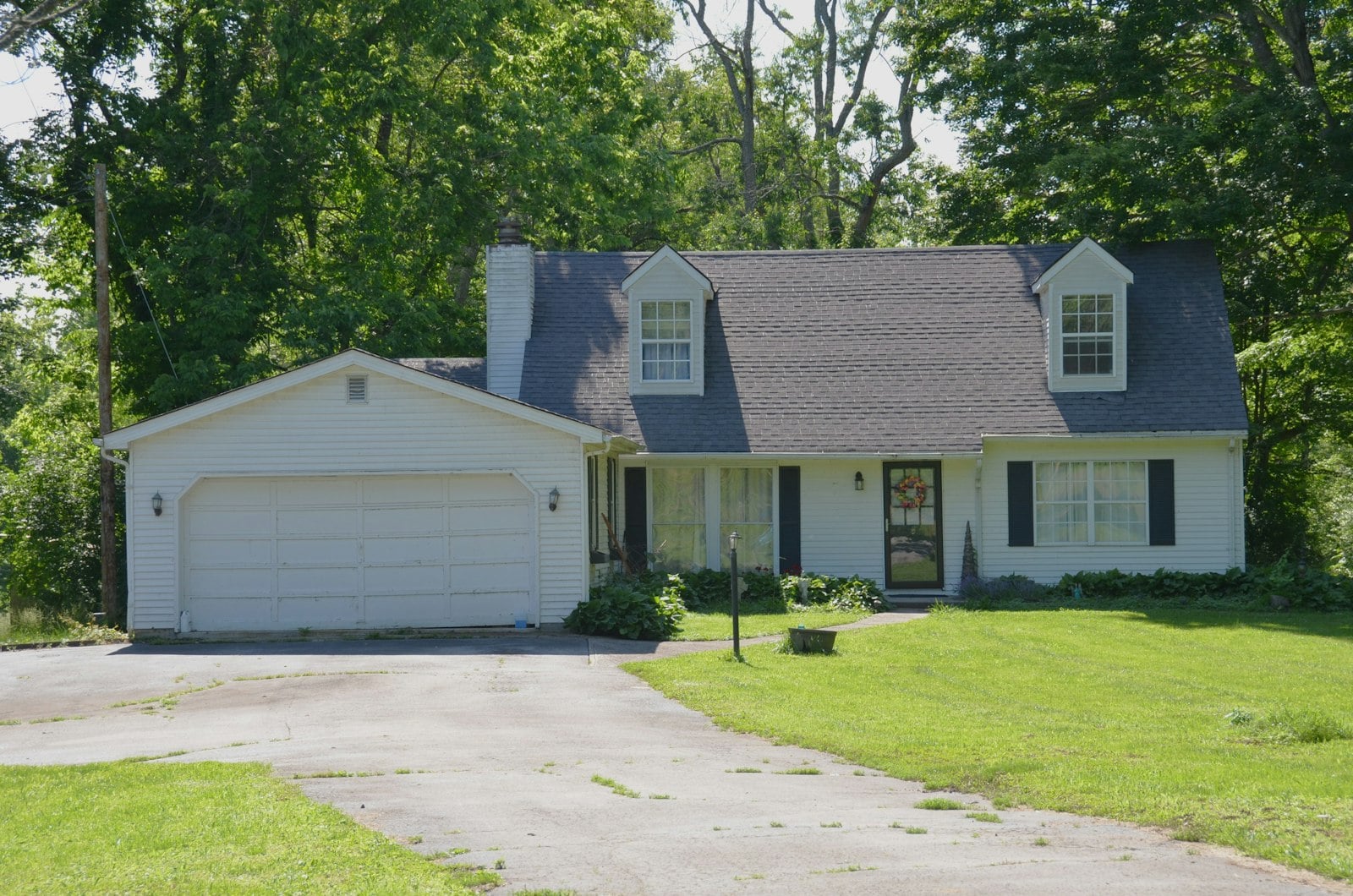
In most McKinney homes the garage is the door the family actually uses, so it can run several cycles a day for years before anyone looks at it. Summer heat hardens the bottom seal and the rubber on the rollers, and the swing between a July afternoon and a January cold snap works fasteners loose a little at a time.
A tune-up is an inspection with adjustments, not a repair visit. If a part has already failed, ask the technician to show you what it is and price that work before anything is replaced.
Rollers, hinges, bearings and the opener rail get the lubricant the manufacturer specifies. The face of the track is deliberately left dry, because grease there collects grit and makes the door worse.
With the opener disconnected, a technician typically lifts the door by hand and stops it partway. A door that drops or springs upward is out of balance, and any spring work is quoted on its own.
Hinges, track bolts, brackets and the opener mount all loosen from vibration. Each one is checked and brought back to the right tension rather than simply cranked down.
The bottom seal, the stop molding along the sides and the top seal are checked for cracks, gaps and hardened rubber, which is usually why dust, rain or pests get under a closed door.
Travel limits, force settings and the reversal response are tested, including the photo-eye safety sensors, so the door backs off when something is in the opening.
Tracks are sighted for alignment, rollers checked for flat spots and worn stems, and lifting cables inspected for fraying. Anything unsafe is reported before the door is used again.
Some people book a tune-up once a year, some book one before putting a house on the market, and some call because the door suddenly started sounding wrong. Tell the provider which applies so the visit can be planned around it.
If the inspection turns up a failed component, ask the independent provider to quote spring repair or cable and roller repair as separate work instead of folding it into the service. Sensors and keypads that act up intermittently are covered under sensor and keypad repair. On an older door, read the repair versus replacement guide before you decide how much to put into it.
Maintenance referrals are available across the coverage list, including Frisco. The complete service area is listed here, and all available repairs are on the services page.
Once a year suits most households, and sooner if the door runs many cycles a day or has started making a new noise. The independent provider can tell you at the visit whether your door needs looking at more often than that.
The number of doors, the type of opener and whether any parts need replacing. Ask for the tune-up to be quoted before the technician starts, and for any repair found during it to be priced separately.
Yes, hinges and roller stems are safe to lubricate with a garage door product. Leave the springs, the cables and the bottom brackets alone; those hold the door's weight and are not a homeowner job. See spring repair for what to avoid.
Not usually. A door that is stuck has generally already broken something, so it needs a repair visit rather than maintenance. Our guide to a garage door that will not open covers what to check first, and calling McKinney Garage Door Service can connect you with a provider; see the service request page.
Call with your ZIP code and symptoms to reach a provider.