Garage Door Maintenance in McKinney: DIY or Pro?
Garage door maintenance in McKinney is split into two jobs: simple checks you can do yourself, like cleaning sensors, tightening hardware and lubricating rollers, and tension work that needs a trained pro, like springs, cables and balance. If anything under tension looks wrong, call to be connected with a local garage door provider.
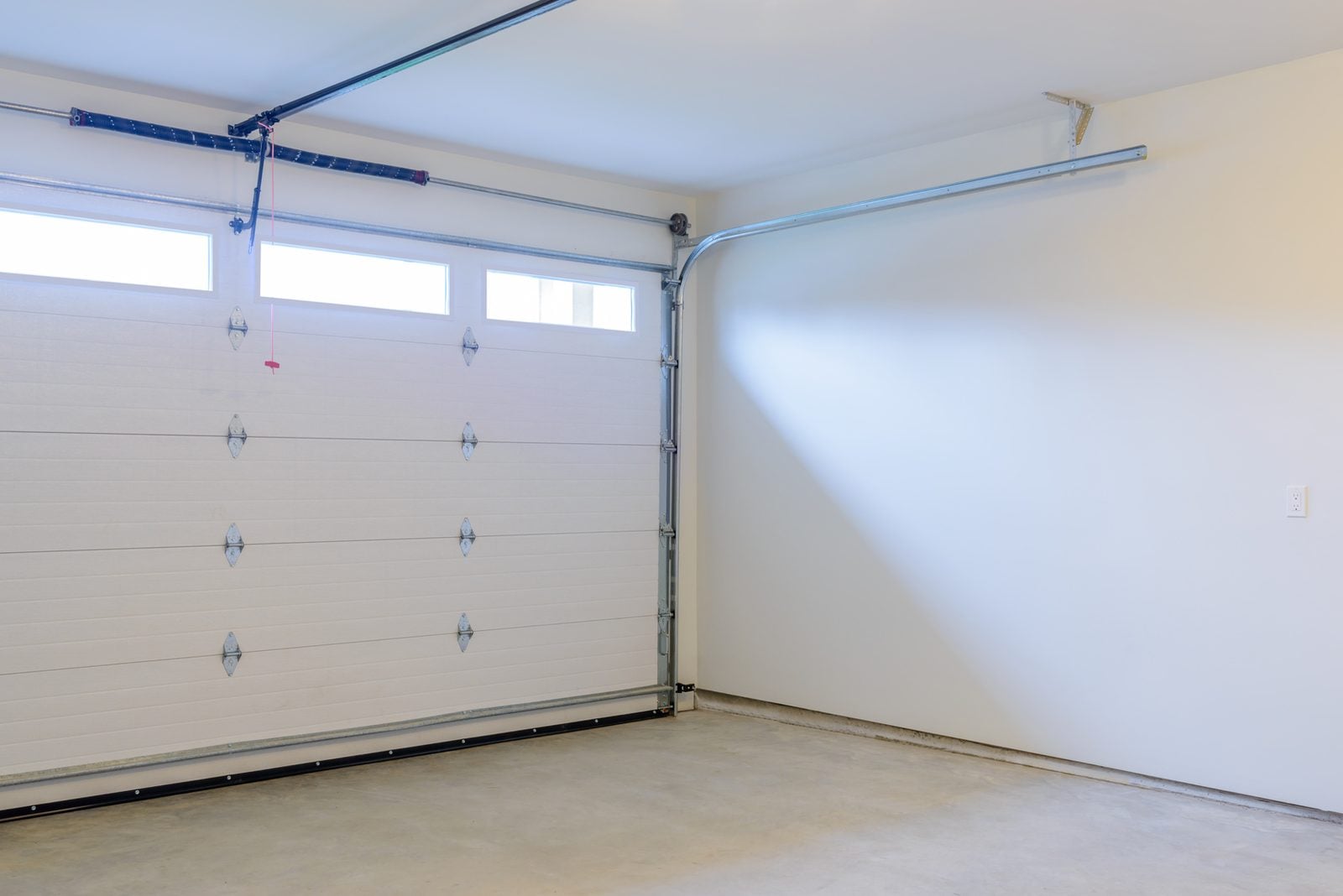
- Safe DIY garage door maintenance includes a visual check, cleaning the safety sensors, lubricating rollers and hinges and testing the auto-reverse.
- Springs, cables, bottom brackets and door balance hold heavy tension and should be left to a trained garage door pro.
- Garage door opener maintenance is mostly testing and cleaning. Adjusting force limits or rewiring is better left to a provider.
- A provider inspects the whole door system and gives you a written quote before any work starts.
- Call (972) 736-5071 to be connected with a local garage door provider who serves McKinney and nearby cities.
What garage door maintenance can I safely do myself in McKinney?
You can safely handle the light side of garage door maintenance in McKinney: looking over the door, cleaning the tracks and sensors, lubricating moving parts and testing the safety features. None of these tasks involve loosening anything under spring tension.
- Look and listen: Run the door once and watch for jerks, gaps in the springs, frayed cables or rollers that wobble.
- Clean the tracks: Wipe dust and debris out of the tracks with a dry cloth. Do not bend or reshape the track.
- Lubricate: Use a garage door lubricant on rollers, hinges and the torsion spring coils. Skip the tracks themselves.
- Tighten loose hardware: Snug up hinge and track bracket bolts, but never the bottom bracket bolts near the cables.
- Check the weather seal: Look for cracks or gaps along the bottom seal.
Which garage door maintenance jobs should I leave to a pro?
Leave any garage door maintenance job that touches spring tension to a trained pro. That includes springs, lift cables, cable drums, bottom brackets and balancing the door. These parts store enough energy to cause serious injury if they slip.
Bent tracks, cracked panels and rollers that have popped out also belong on the pro list, because fixing them often means taking weight off the door first. If your door has extension springs along the sides instead of one bar above the door, the same rule applies. The garage door spring repair and cable and roller repair pages explain what those parts do.
How is DIY garage door maintenance different from a professional tune-up?
DIY maintenance keeps a healthy door running smoothly, while a professional tune-up checks and adjusts the parts you should not touch. Think of DIY as cleaning and watching, and a pro visit as measuring and adjusting.
During a pro tune-up, the provider can check spring tension and door balance, look closely at cable wear, inspect the drums and bearings and set the opener so it matches the door. The garage door maintenance and tune-up page lists what a typical visit covers.
Need help now? Call to be connected with a local provider in McKinney who can check availability for your address.
What does garage door opener maintenance involve?
Garage door opener maintenance is mostly about testing safety features and keeping the parts clean. You can test the auto-reverse, clean the sensor lenses, replace remote batteries and check that the opener is mounted tight to the ceiling.
- Auto-reverse test: Lay a flat piece of wood on the floor under the door. When the door touches it, the door should reverse.
- Sensor test: Wave a broom handle through the beam while the door closes. The door should stop and go back up.
- Drive check: Look for a sagging chain or a worn, cracked belt.
If the door fails either safety test, stop using the opener until it is checked. Changing force or travel settings, or replacing a gear or circuit board, is a provider job. See the garage door opener repair page for common opener faults.
How do I know my garage door needs a pro instead of a quick fix?
Your garage door needs a pro when the problem comes from the door itself rather than dirt or a loose bolt. Signs include a door that feels very heavy, closes crooked, stops partway, makes a loud bang or still shudders after you clean and lubricate it.
- A visible gap in a spring coil
- Frayed, rusted or loose lift cables
- Rollers that are cracked or out of the track
- Gaps at the sides that change from week to week
- An opener that strains, hums or reverses for no clear reason
If you notice any of these, stop running the door and call for an inspection.
Is it cheaper in the long run to do my own garage door maintenance?
Doing your own light garage door maintenance can help parts last longer, but skipping professional checks can let small problems grow. A dry roller or a dirty sensor is easy to fix yourself. A spring that is losing tension is not something DIY care can solve.
A balanced approach works for most McKinney homes: do the simple checks yourself, then have a provider look at springs, cables and balance from time to time. If the door is old and several parts are worn, the repair vs replacement page can help you think through the next step.
What happens during a garage door maintenance visit?
During a garage door maintenance visit, a local provider inspects the full door system, explains what they found and walks you through your options. You get a written quote before any work begins.
- Inspection: They check springs, cables, drums, rollers, hinges, tracks, panels, the weather seal, the sensors and the opener.
- Options explained: They tell you which items are fine, which need attention now and which can wait.
- Written quote: You see the scope in writing and decide what to approve before any work starts.
Scheduling depends on the provider and your address, so ask about availability when you call.
How do I get connected with a garage door maintenance provider in McKinney?
Call (972) 736-5071 to be connected with a local provider who handles garage door maintenance in McKinney. Tell them what you noticed, such as noise, a slow door or a failed safety test.
It helps to know whether you have one spring above the door or springs along the sides, the opener brand if you know it, and when the door was last serviced.
How does North Texas weather affect garage door maintenance in McKinney?
McKinney is part of the Dallas-Fort Worth area, where garage doors deal with both hard summers and cold snaps. DFW's average first 100°F day is July 1 and its average last is August 27. Long stretches of heat dry out lubricant and make openers work harder, so summer is a good time to check rollers and run the safety tests.
Winter matters too. At DFW Airport, the average first freeze is November 22 and the average last freeze is March 12. During the February 2021 freeze, DFW Airport fell to -2°F on February 16 and stayed below freezing for 139 consecutive hours. Cold weather adds strain to worn springs, which makes late fall a sensible time for a pro to check tension and balance.
The ground can shift as well. The Blackland Prairie, home of the highly expansive Houston Black clay, extends from north of Dallas south to San Antonio, and that clay shrinks and swells with moisture. If your door starts to rub or the side gaps change, have it checked. Providers serve McKinney along with Allen, Prosper, Celina, Anna and other nearby cities.
Related pages
Questions people ask
How often should I do garage door maintenance?
A quick look and listen once a month and light DIY care a few times a year works for most doors. Add a professional check of springs, cables and balance from time to time, or sooner if the door changes how it sounds or moves.
What is included in basic garage door maintenance in McKinney?
Basic garage door maintenance in McKinney covers a visual check, cleaning the tracks and sensors, lubricating rollers and hinges, tightening loose hardware and testing the auto-reverse. Spring and cable work is not part of DIY care.
What kind of lubricant should I use on my garage door?
Use a lubricant made for garage doors, such as a silicone or lithium spray. Avoid heavy grease, which collects dirt, and do not spray the inside of the tracks.
Should I grease the garage door tracks?
No. The tracks should be clean and dry so the rollers can roll. Grease in the tracks traps dust and can make rollers slide instead of turn.
Can I tighten the bolts on my garage door myself?
You can tighten loose hinge and track bracket bolts with a wrench. Never loosen or tighten the bottom bracket bolts near the cables, because they are under spring tension.
How do I test the auto-reverse on my garage door opener?
Place a flat board on the floor under the door and close it. The door should reverse when it touches the board. If it does not, stop using the opener and have it checked.
Why does my garage door still squeak after I lubricate it?
A door that still squeaks after lubrication may have worn rollers, dry bearings or a spring that is losing tension. A provider can find the source during an inspection.
Is garage door opener maintenance something I can do on my own?
Yes, for the basics. Garage door opener maintenance like testing safety features, cleaning sensors and changing remote batteries is fine to do yourself. Adjusting force settings or replacing internal parts is a provider job.
Do belt drive and chain drive openers need different maintenance?
Chain drives benefit from a light coat of lubricant on the chain now and then. Belt drives should not be lubricated. Check both for sagging, fraying or slipping.
Is it dangerous to do my own garage door maintenance?
Light maintenance is low risk if you stay away from springs, cables and bottom brackets. Those parts hold heavy tension, so anything involving them should go to a trained pro.
Can regular maintenance stop my garage door spring from breaking?
Maintenance can help a spring run smoothly, but it cannot stop normal wear. Springs are rated for a set number of cycles and eventually wear out, so watch for gaps in the coils or a heavy door.
How do I clean garage door safety sensors?
Wipe each sensor lens gently with a soft, dry cloth. Then check that both small lights are on and steady. If a light blinks, the sensors may be out of line.
Should I replace the rubber seal at the bottom of my garage door?
Replace the bottom seal if it is cracked, flattened or letting in light and water. A worn seal can let in dust, pests and drafts.
What are signs my garage door needs professional maintenance?
Call for professional maintenance if the door feels heavy, closes crooked, stops partway, bangs, jerks or fails a safety test. Frayed cables and gaps in a spring are also clear signs.
Does Texas heat mean my garage door needs more maintenance?
Long North Texas summers can dry out lubricant and work the opener harder. Checking rollers and running the safety tests during the hot months helps keep the door running smoothly.
Is professional garage door maintenance worth it for a newer house in Prosper or Celina?
Yes, it can be. Even newer doors in Prosper and Celina have springs and cables that wear with use, and a pro check can spot balance issues early before they put strain on the opener.
What should I check on my garage door before selling my house?
Run the door, test the auto-reverse and sensors, and look at the springs, cables and panels. Fixing small issues before an inspection can help avoid surprises during the sale.
How do I find someone for garage door maintenance near me in Allen or Anna?
Call (972) 736-5071 to be connected with a local garage door provider who serves Allen, Anna, McKinney and nearby cities. They can check availability for your address.
Will I know what garage door maintenance will be done before the provider starts?
Yes. The provider inspects the door, explains what they found and gives you a written quote before any work starts. You choose what to approve.
Talk to someone about your garage door problem
Call to be connected with a local provider who can check availability for your address and explain the next step.